
About fire extinguishers: what do classes A, B, C, D and F mean?
About fire extinguishers: what do classes A, B, C, D and F mean?
When choosing a fire extinguisher, the first step is to understand what type of fire may occur in a specific location. Fire classes are used for this purpose.
A fire class shows which type of combustible material a fire extinguisher is suitable for. According to Estonian regulations, fire extinguishers are classified by the combustible material they are intended to extinguish: A, B, C, D and F.
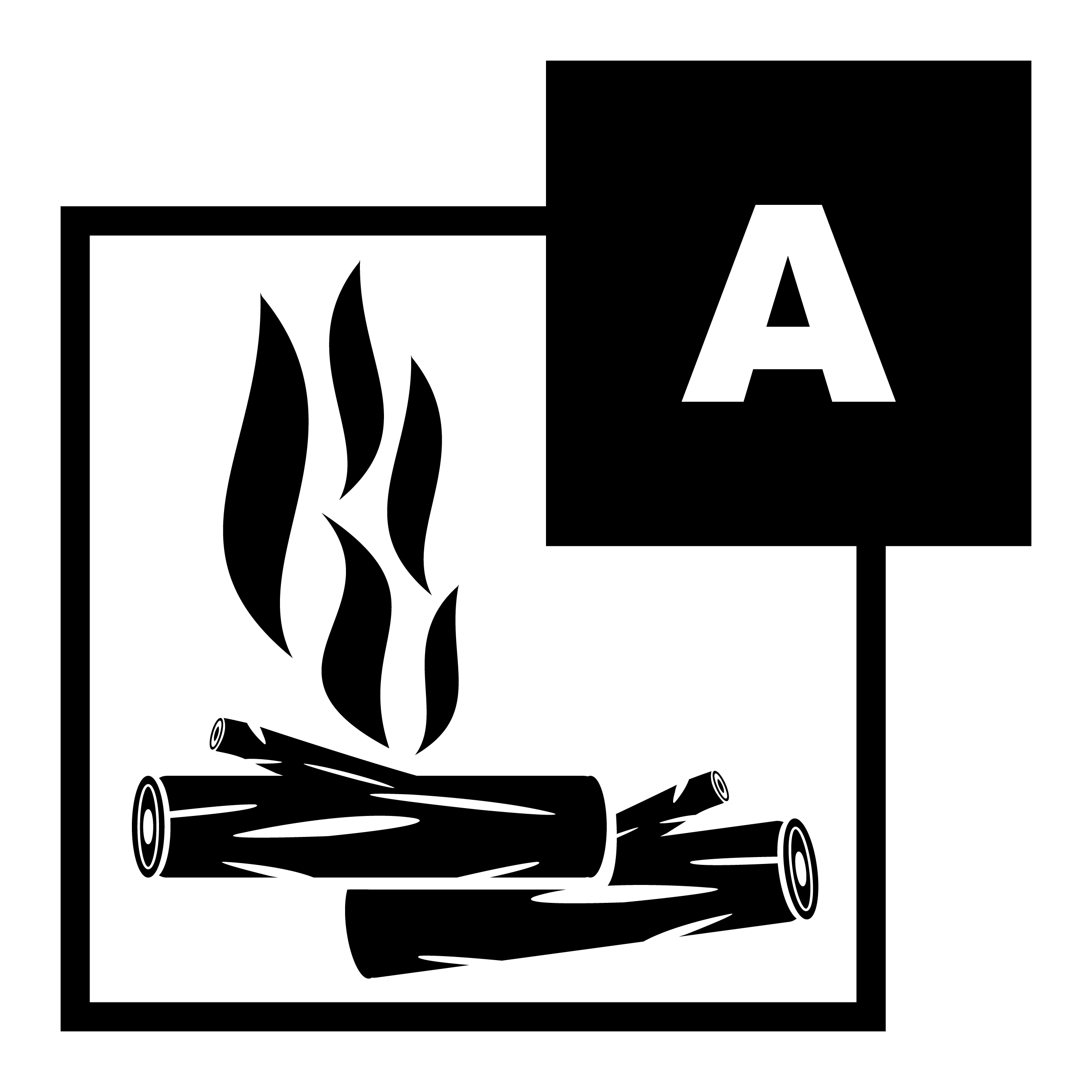
Class A: solid and glowing materials
Class A fires are related to solid and glowing materials.
For example:
wood;
paper;
textiles;
combustible fibres;
plastic.
For these materials, a cooling effect is important, because solid materials may continue to smoulder even after the visible flame has been extinguished.
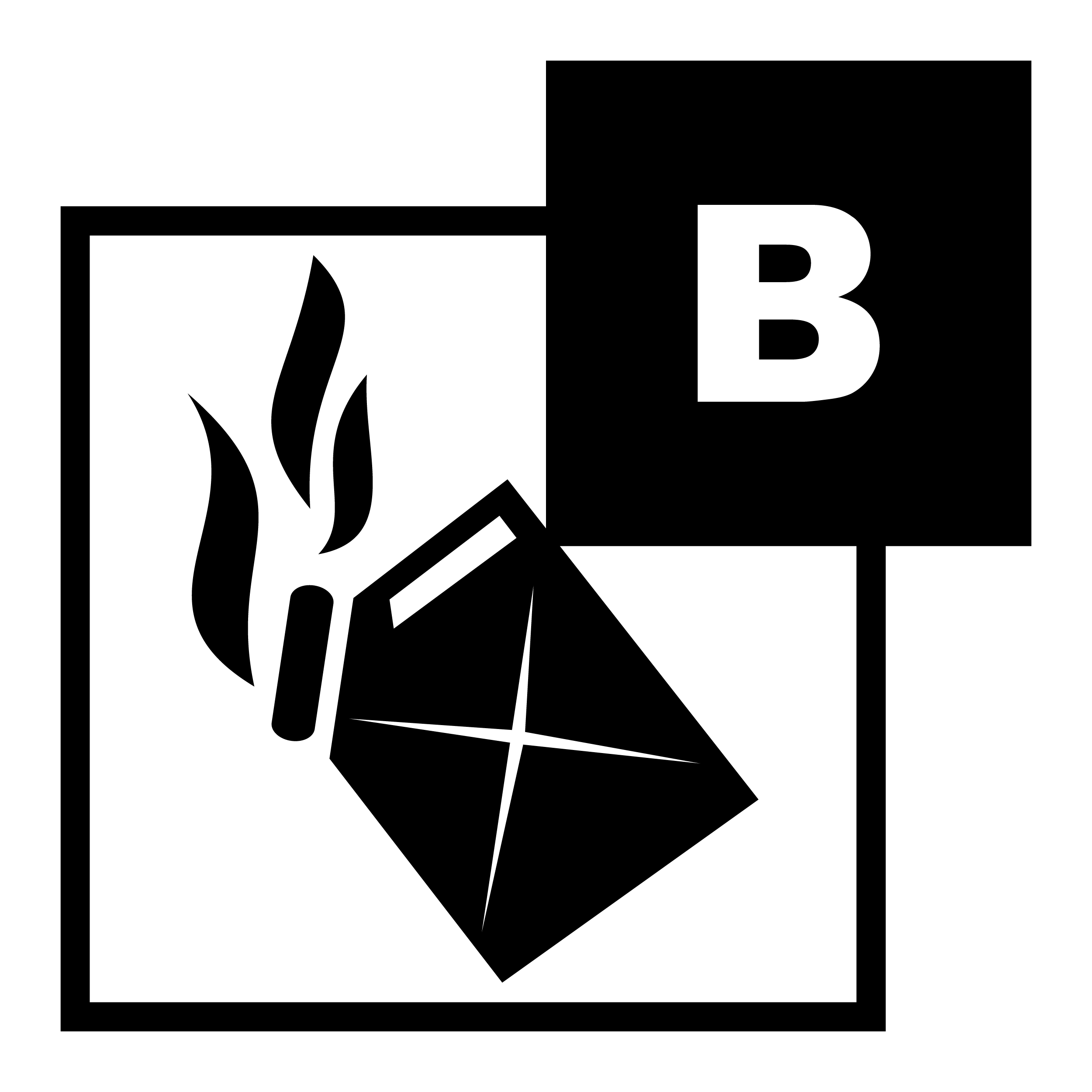
Class B: flammable liquids and melting substances
Class B fires are related to flammable liquids and substances that melt when burning.
For example:
oil;
petrol;
solvents;
resins;
adhesives;
fat;
most plastics.
Water should not be treated as a universal solution for flammable liquid fires. If the flammable liquid is lighter than water, it may remain on the surface and continue burning.
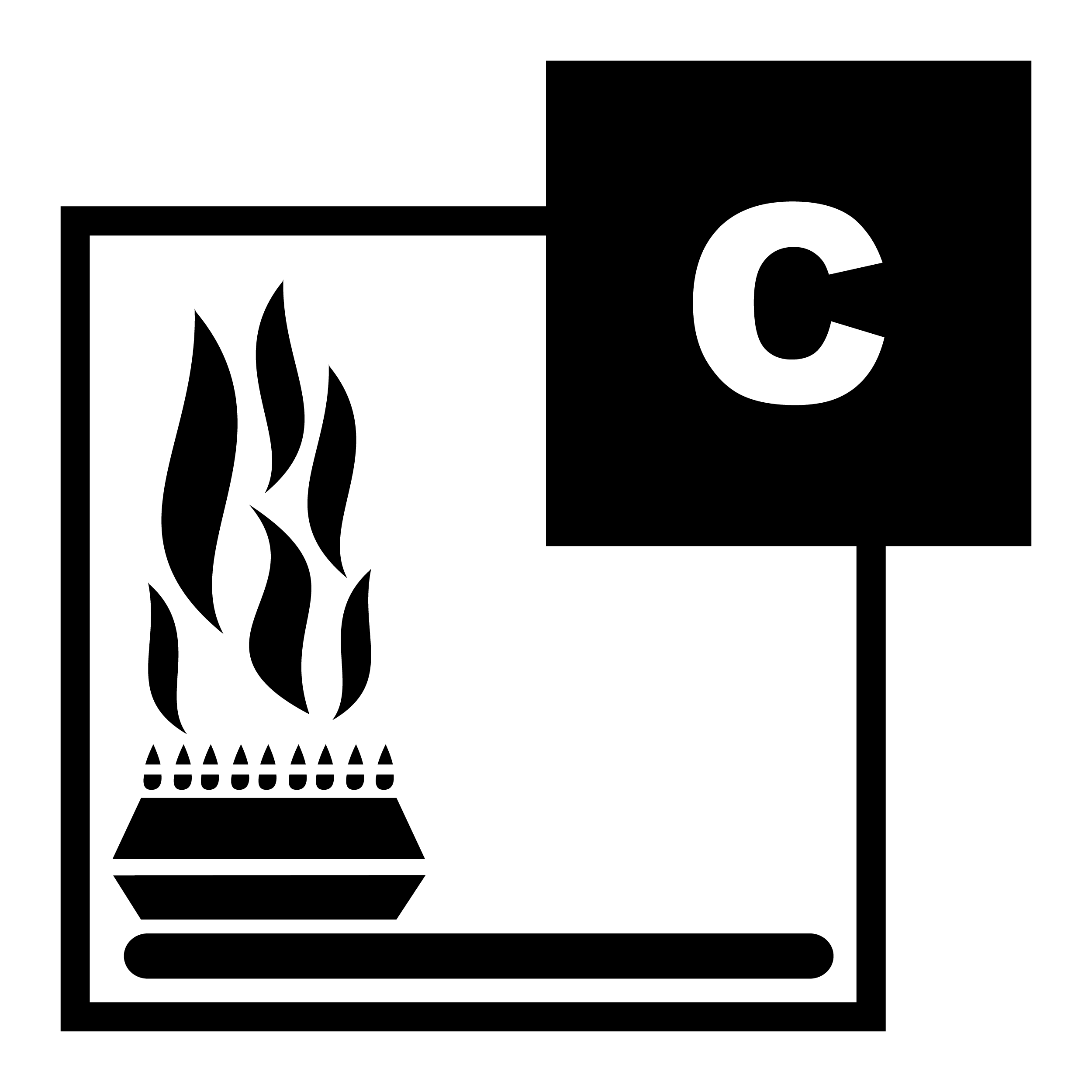
Class C: flammable gases
Class C refers to flammable gases.
For example:
natural gas;
acetylene;
propane;
hydrogen.
In the case of a gas fire, it is important to shut off the source of danger, if this can be done safely. If the gas supply cannot be stopped, extinguishing the flame may create an additional explosion hazard.
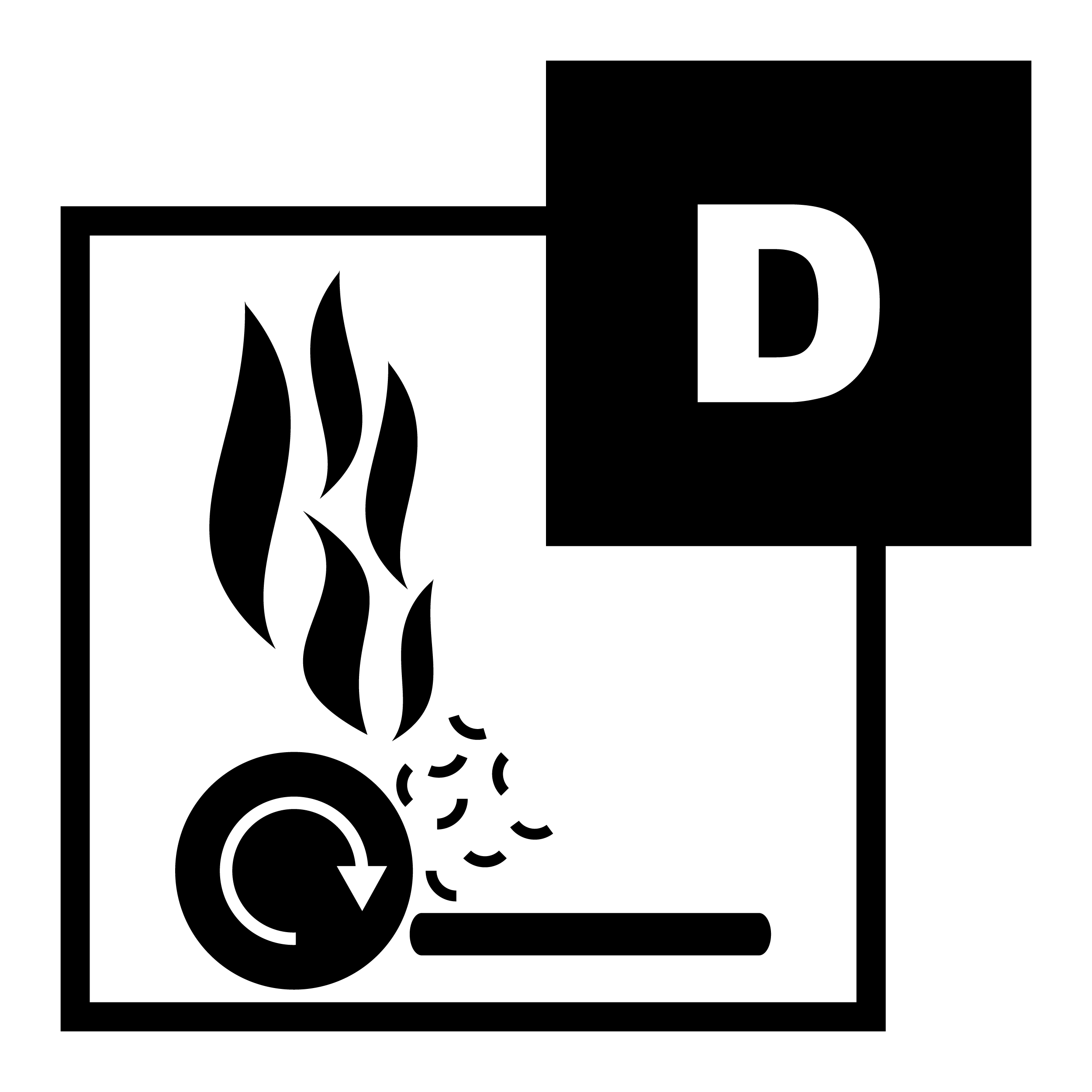
Class D: metals
Class D fires are related to metals.
For example:
aluminium;
magnesium.
Metal fires can burn at very high temperatures and require an extinguishing agent specifically suitable for this type of fire.
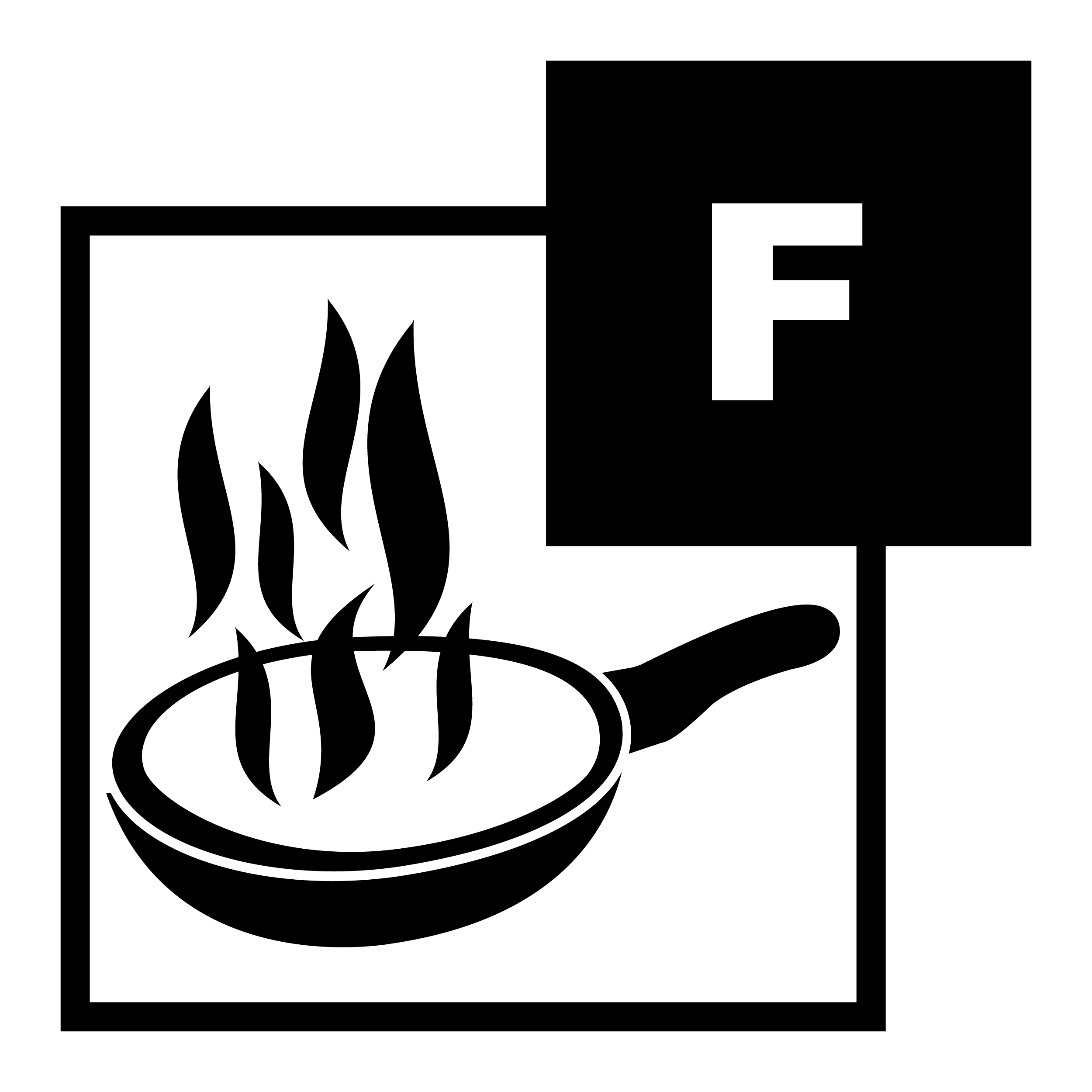
Class F: cooking oils and fats
Class F refers to cooking oils and fats.
This is especially important in kitchens, commercial kitchens, restaurants, cafés and other places where hot food is prepared.
A fat fire is not an ordinary fire. Using water to extinguish burning fat is dangerous, because the water may vaporise rapidly in the hot fat and spread the burning fat around.
What about electrical equipment?
In practice, fires involving electrical equipment are often discussed separately. However, Estonian regulations do not list Class E as a separate fire class.
When electrical equipment is involved, the specific situation, voltage, room conditions and extinguisher markings must be taken into account. If possible, the equipment should first be disconnected from the power supply. If this is not possible, an extinguishing agent that may create a risk of electric shock must not be used.
If you are not sure which extinguisher is suitable near electrical equipment, it is worth asking for advice before making a purchase.